
As part of the College of Nursing, Health, and Sciences, Delta State University’s Division of Mathematics and Sciences provides quality academic programs that prepare students for careers in scientific, technical, and research-focused fields. Through hands-on learning, laboratory experiences, field studies, and research opportunities, students develop strong critical thinking, problem solving, and scientific inquiry skills while applying their knowledge in real world settings.
Graduates are well prepared for careers in science, technology, healthcare, environmental fields, and other professional pathways. The Division has an outstanding record of student placement into advanced degree programs and is home to the Wiley Planetarium, the only planetarium at a college or university in Mississippi.
16
Specialized Teaching Laboratories
8
Dedicated Research Laboratories
1
College Planetarium
(The only one in Mississippi.)
Peyton Bevan, a Biology student, shares how faculty mentorship, research opportunities, and access to valuable resources have shaped her experience in the Division of Mathematics and Sciences at Delta State.
Explore Our Programs
Build your future in science at Delta State University. Our Biology and Environmental Science programs combine classroom learning, laboratory experience, and faculty support to prepare students for professional schools, graduate study, and rewarding careers. Whether your goal is a career in healthcare, environmental science, research, or industry, Delta State can help you take the next step.
Bachelor of Science in Biology
The B.S. in Biology prepares students for professional schools, graduate study, and careers in biology and the health sciences. Through hands-on laboratory experiences and faculty mentorship, students build the knowledge and skills needed to succeed in a variety of scientific fields.
Explore BS in Biology
Bachelor of Science in Environmental Science
The B.S. in Environmental Science prepares students for careers that address today’s environmental challenges. Students gain laboratory, field, and analytical experience while developing the problem-solving skills needed for careers in environmental science, wildlife management, and agribusiness.
Explore BS in Environmental Science
Get to Know Our Faculty and Staff
The Division of Mathematics and Sciences at Delta State University is supported by a highly qualified faculty, many of whom hold doctoral degrees from nationally and internationally recognized universities. Small class sizes promote meaningful interaction between students and faculty, allowing for individualized instruction and frequent one-on-one academic support. Once students declare a major within the Division, they are assigned a dedicated faculty advisor who provides ongoing mentorship, academic guidance, and career support to help them successfully achieve their educational and professional goals.
State-of-the-Art Facilities and Lab Equipment
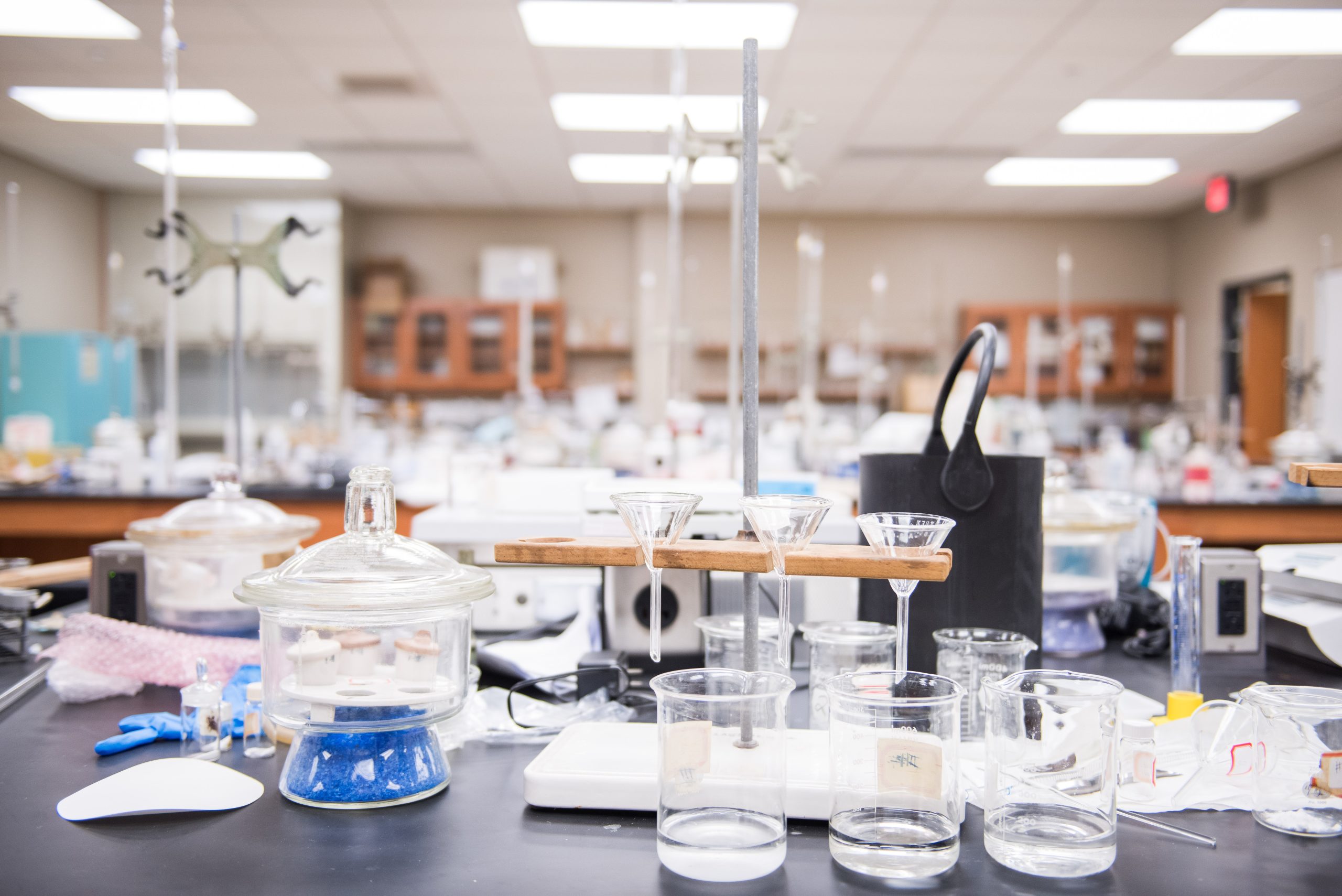
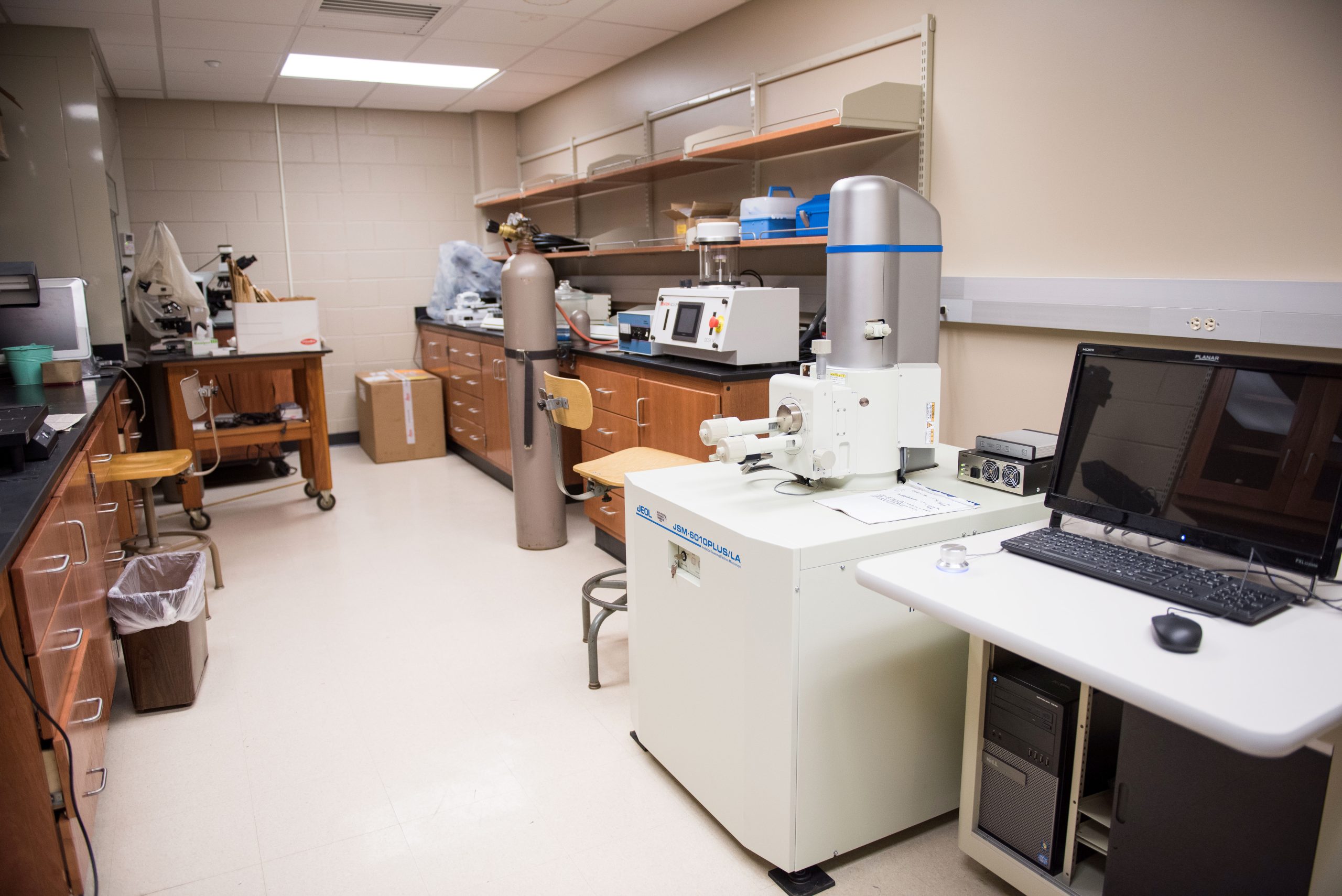
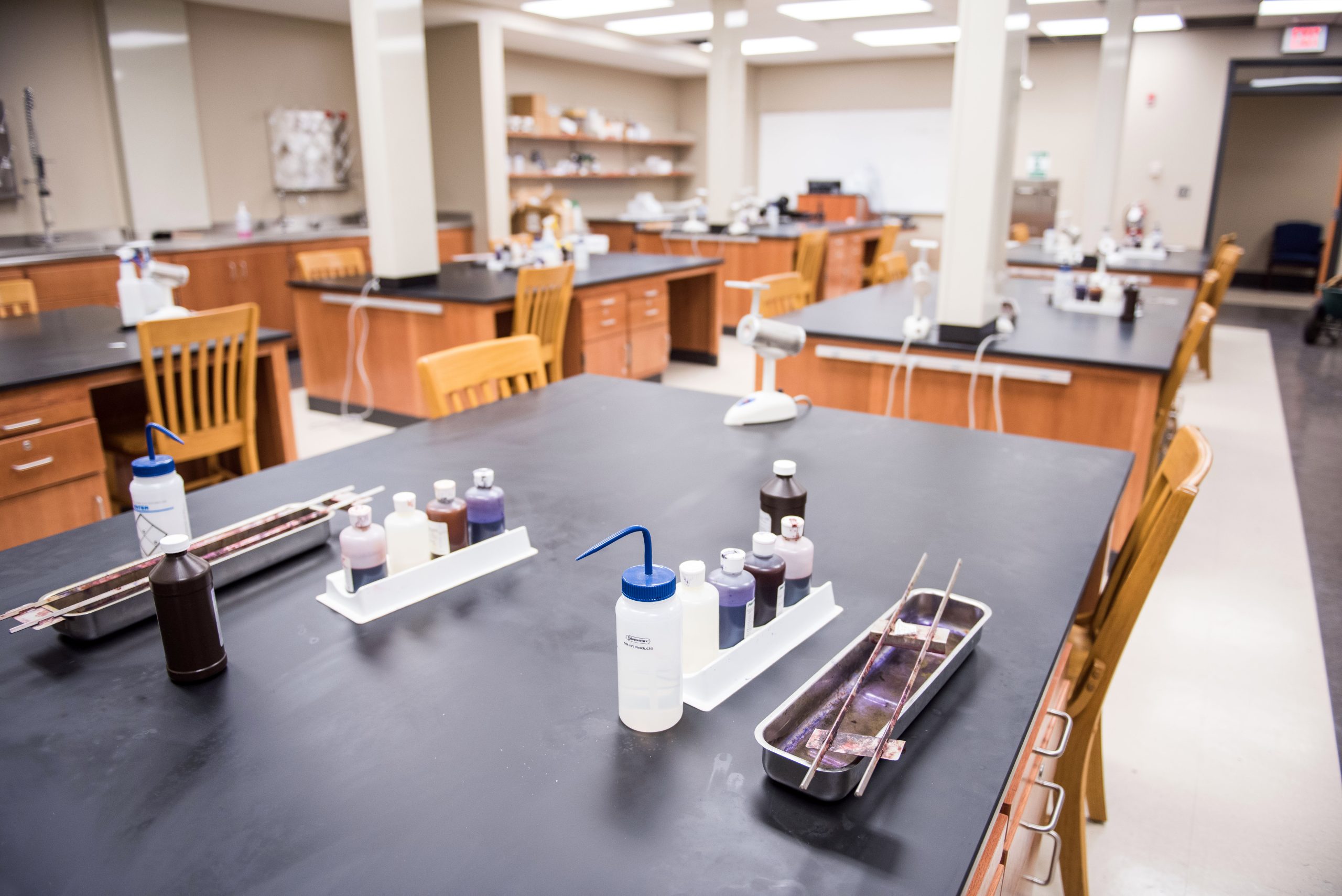
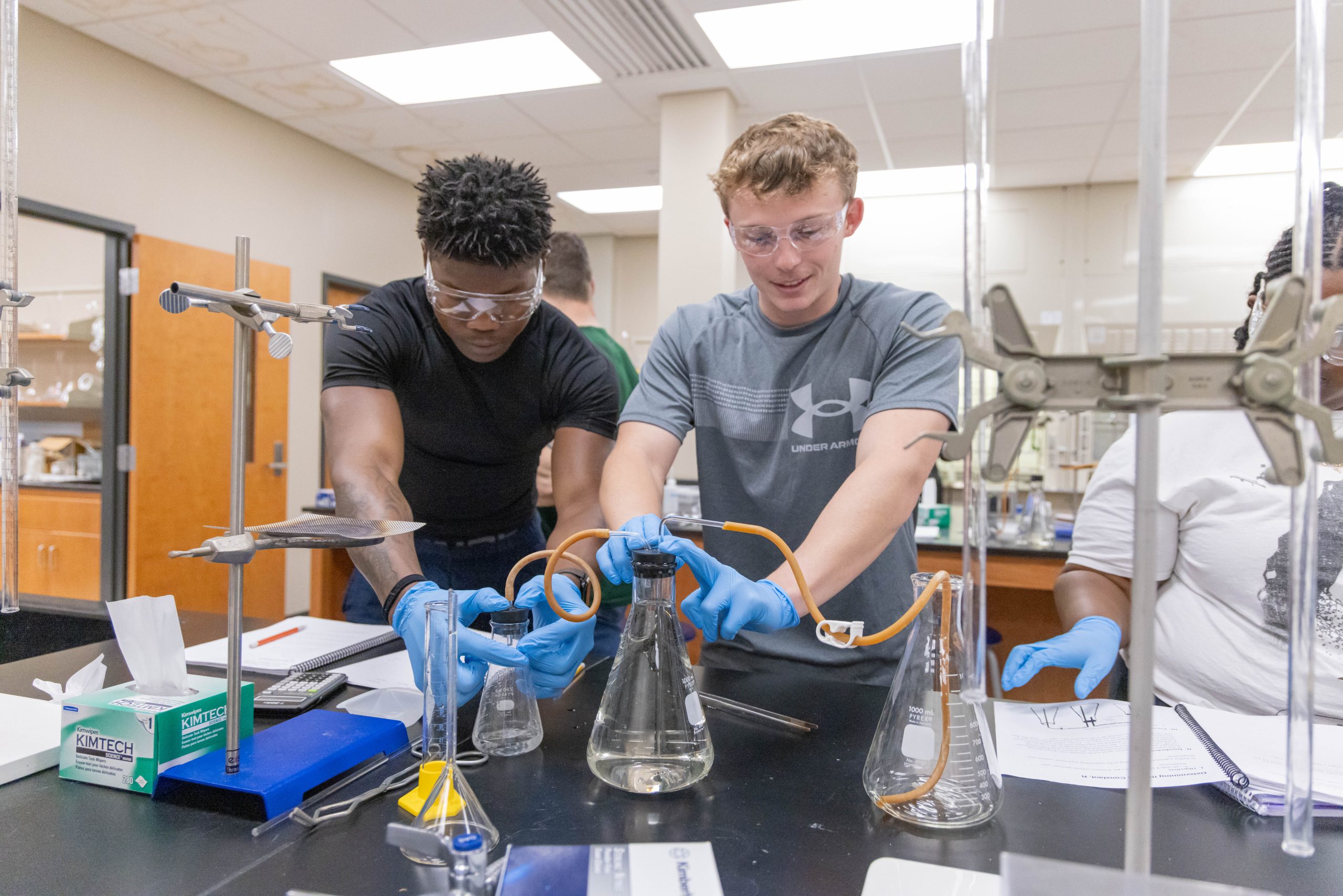
Students in the Delta State University Division of Mathematics and Sciences learn in modern laboratories and research facilities designed to provide hands-on experience with the same technology used in professional scientific and industrial settings. Located in Caylor-White-Walters Hall, the Division features 16 teaching and 8 research laboratories and advanced instrumentation including a scanning electron microscope (SEM), nuclear magnetic resonance (NMR), LC/MS and GC/MS systems, high-performance CUDA-capable computing workstations, and 3D printers. Students also have access to a greenhouse, a herbarium with 17,500+ specimens, and the only college planetarium in Mississippi, giving students exceptional opportunities for research, field studies, and scientific discovery.
Enrich Your Math and Sciences Degree Outside the Classroom
Through internships, research opportunities, and student organizations, students in the Division of Mathematics and Sciences gain hands-on experience beyond the classroom. These opportunities help students build professional connections, develop leadership skills, apply classroom knowledge in real-world settings, and prepare for graduate study and careers in science.
Find Internships to Move Your Math and Sciences Career Forward
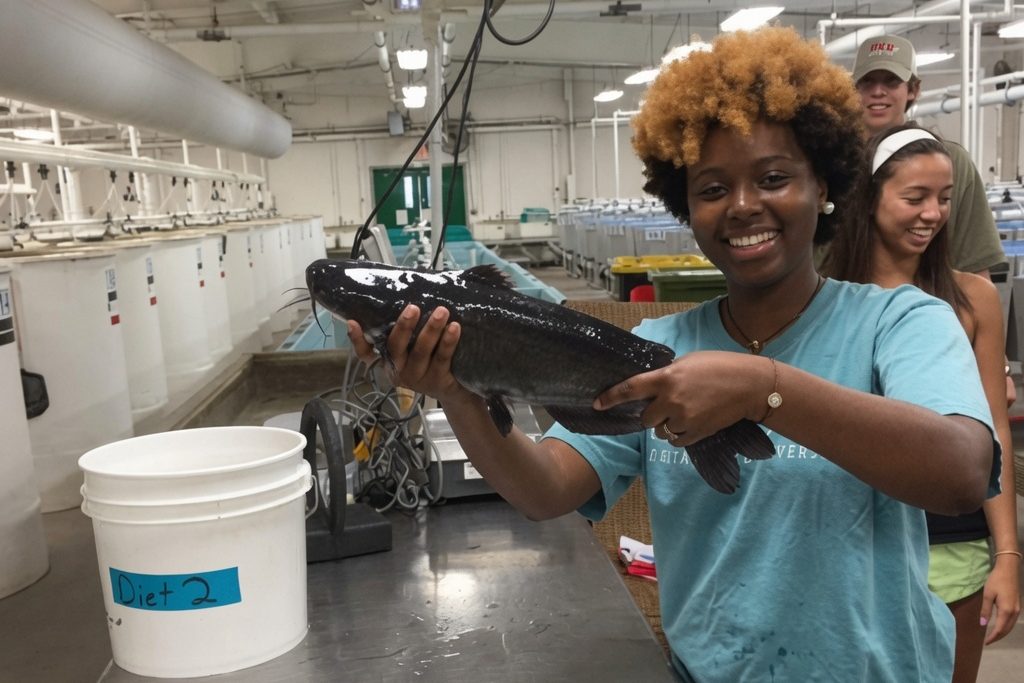
Internship opportunities allow students to apply classroom knowledge to real-world challenges while building professional skills and career connections. Students have completed internships with organizations including the U.S. Army Corps of Engineers; Mississippi Department of Environmental Quality; and the Mississippi Department of Wildlife, Fisheries, and Parks; as well as many other organizations across the region.
Get Involved with Math and Sciences Student Clubs & Organizations
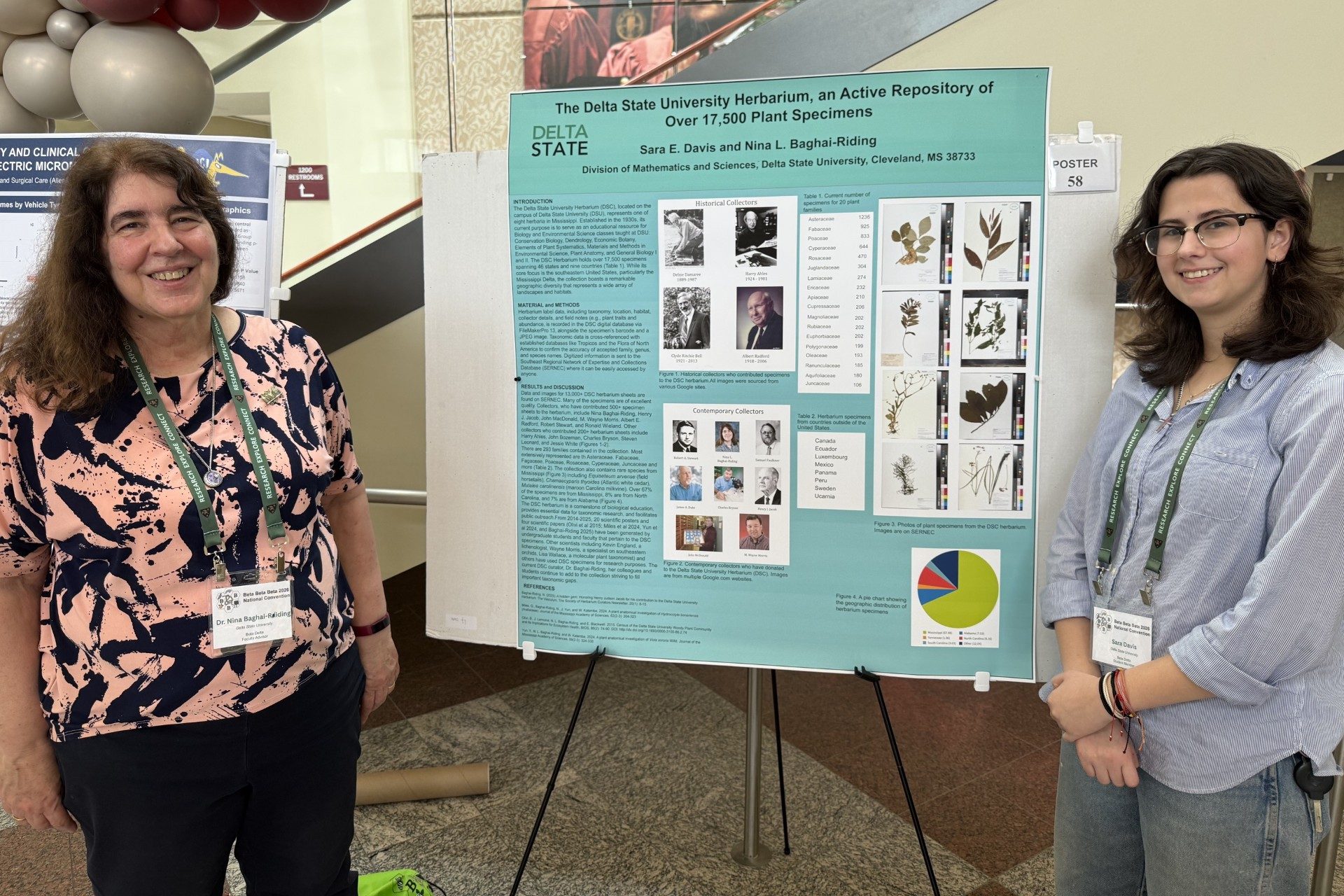
Students can become active in organizations across the Division, building professional connections, leadership skills, research opportunities, and experiences that compliment their coursework. Student organizations include the American Chemical Society (ACS) Student Chapter, TriBeta Biology Honor Society, The Wildlife Society, and Pre-Dental Club.
Explore Student Clubs & Organizations
Wiley Planetarium
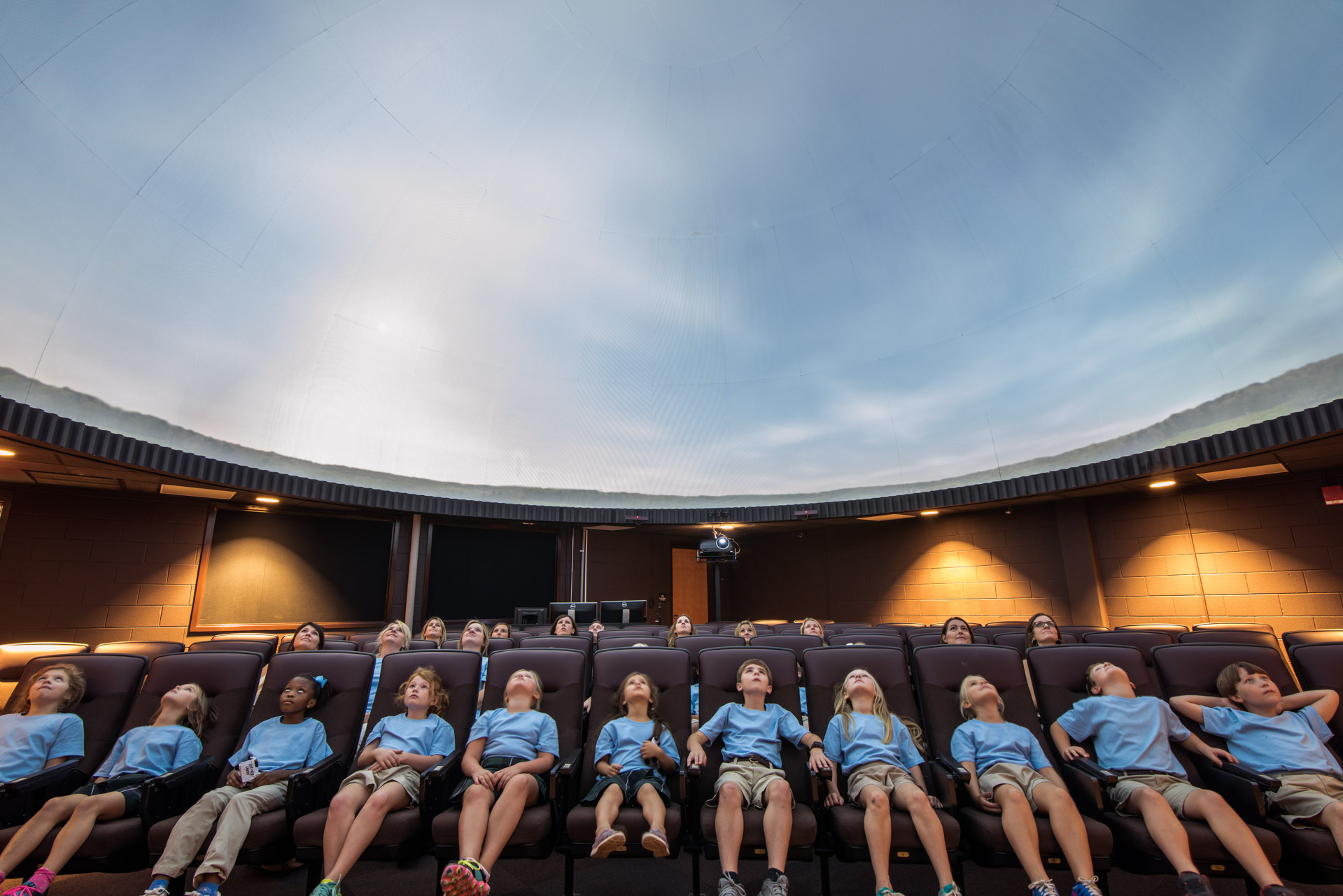
The Roy L. and Clara Belle Wiley Planetarium is a 60-seat state-of-the-art digital 3D theater system. It is the only planetarium associated with a college or university campus in the state of Mississippi, and one of only three planetariums in the state. The planetarium’s mission is to deliver educational astronomy and STEM programs through live shows, workshops, and events for Delta State University students, local K-12 schools, and members of our Delta communities.
Making Mathematics and Sciences Programs Affordable
Delta State University is committed to making mathematics and science programs affordable and accessible for all students. Delta State offers scholarships specifically for students in these fields, and students can explore available opportunities through the Scholarship Manager as well as review additional assistance options through Financial Aid. In addition, Delta State does not charge out-of-state tuition, helping students from across the region pursue their degrees at a lower cost.
Read About the Latest in Delta State University Mathematics and Sciences
Stay up to date on exciting developments in Mathematics and Sciences at Delta State by checking out the latest news.
Frequently Asked Questions
Can I become a medical doctor or dentist through Delta State?
Delta State does not offer medical or dental degrees, but you can complete all of the prerequisite coursework needed to prepare for admission to professional schools. After earning your undergraduate degree at Delta State University, students typically continue their education at medical, dental, pharmacy, or physical therapy schools such as University of Mississippi Medical Center or William Carey University College of Osteopathic Medicine.
Why should I choose the Division of Mathematics and Sciences at Delta State?
Students benefit from small class sizes, personalized faculty mentoring, hands-on laboratory experiences, undergraduate research opportunities, internships, and active student organizations. With access to advanced scientific equipment and specialized resources, students graduate prepared for careers, graduate school, and professional programs.
What careers or graduate programs do graduates pursue?
Graduates pursue careers in healthcare, environmental science, biotechnology, research, education, government agencies, and industry. Many also continue their education through graduate programs or professional schools, including medicine, dentistry, pharmacy, veterinary medicine, physical therapy, and other health professions.
Are there any research opportunities in the Division of Mathematics and Sciences?
Yes. Undergraduate students work alongside faculty on research projects, present their findings at conferences, and gain hands-on experience using professional laboratory equipment and field research techniques.
What student organizations can I join in the Division of Mathematics and Sciences?
Students can participate in organizations including the American Chemical Society (ACS) Student Chapter, TriBeta Biology Honor Society, The Wildlife Society, and Pre-Dental Club. These organizations provide opportunities for leadership, networking, research, service, and professional development.
Learn More About Student Organizations